
| CALL US NOW!
Read Our Latest Blog
Explore our latest blog posts, where we delve into topics such as detoxification myths, resilience strategies for mental health, natural immune system enhancement, personalized nutrition through genetic testing, the role of inflammation in chronic diseases, and natural remedies for seasonal allergies. Each article offers valuable insights to support your journey toward optimal health.
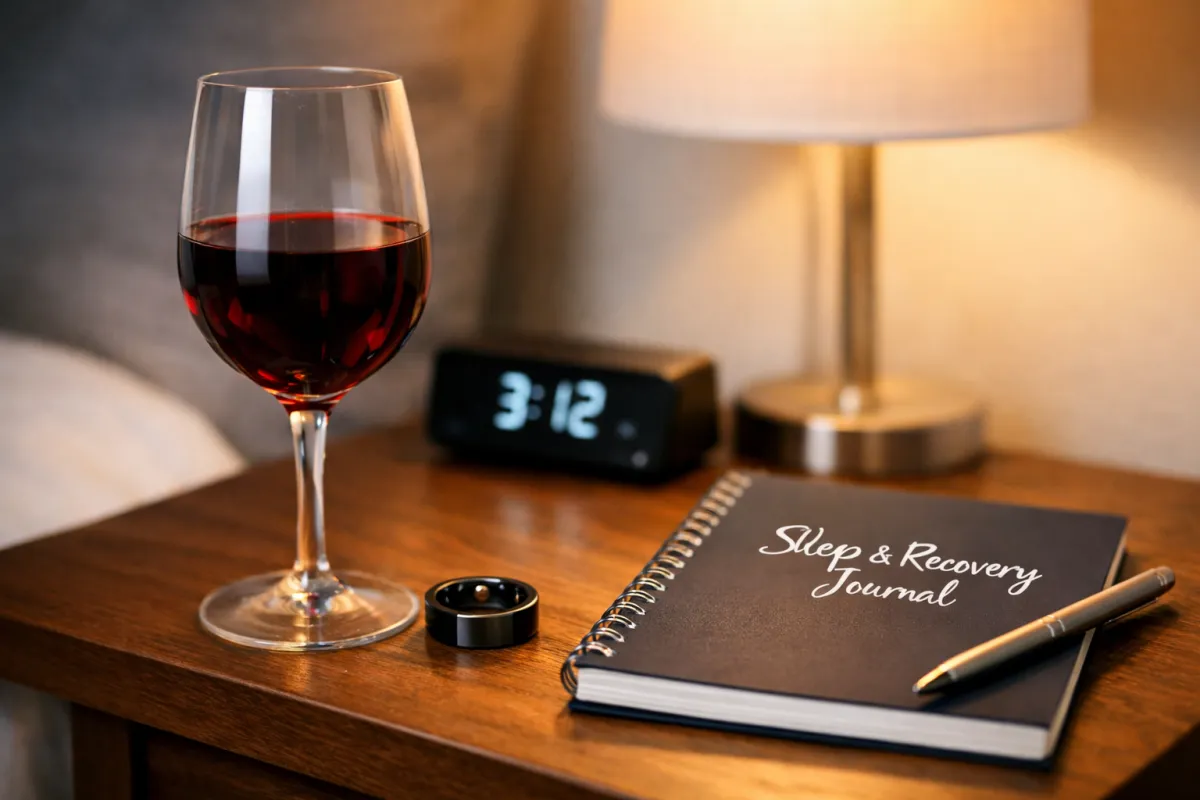
Is Alcohol Really “Healthy” in Moderation?
Is Alcohol Really “Healthy” in Moderation? A Functional-Medicine Reality Check
Daniel Lonquist, DC, CCST, CCWP, CFMP, CTDS
For years we were told red wine was “heart healthy” and a nightcap was a harmless way to relax.
Here’s the updated reality: the World Health Organization has stated that no level of alcohol consumption is safe for health. World Health Organization
From a root-cause perspective, this matters because alcohol doesn’t just affect one system. It can hit sleep, nervous system balance, heart rhythm, blood pressure, recovery, gut function, and mood—often in ways people don’t connect until they see the pattern.

The quick version (what I want you to remember)
Alcohol is not “recovery.” It often shows up as higher resting heart rate and lower HRV—a sign your body is under more strain. PubMed
It commonly disrupts REM sleep and sleep quality, even if it helps you fall asleep faster. PMC
It’s linked with increased risk of atrial fibrillation and hypertension as intake rises. PubMed
If you’ve been dealing with brain fog, anxiety, stubborn weight, poor sleep, or fatigue, alcohol can be one of the sneakiest “hidden drivers” keeping your body stuck.
6 Alcohol Myths (and what’s actually happening)
Myth #1: “Red wine is good for my heart.”
What I want you to know: The “red wine is protective” story doesn’t hold up well when you zoom out. Alcohol intake has been associated with higher AFib risk in dose-response research, meaning risk tends to rise as intake rises. PubMed
Better option: If you want polyphenols, get them from foods (berries, grapes, colorful vegetables, tea)—without ethanol.
Myth #2: “Alcohol helps me sleep.”
Yes, it can make you drowsy.
But: research shows alcohol can suppress REM and then fragment sleep later in the night as it metabolizes. PMC
Clinical pattern I see all the time: people fall asleep quickly… then wake up in the early morning hours feeling wired, thirsty, or restless.
If you choose to drink: your best move is to stop drinking 3–4 hours before bed to reduce the sleep hit (it won’t erase it, but it helps). Sleep Foundation
Myth #3: “A drink calms my stress and anxiety.”
Alcohol can feel calming initially, but it can set up a rebound effect—especially for people already running “high stress physiology.” Withdrawal physiology is well known to include anxiety symptoms in heavier/regular drinkers. MedlinePlus ScienceDirect
Better nervous system strategies: a walk, strength training, breathwork, sauna, or connection with people you trust—things that calm the system without the rebound.
Myth #4: “It makes me more social.”
Alcohol lowers inhibition, but that’s not the same as showing up as your best self. It can impair judgment and decision-making, and alcohol is associated with higher-risk behaviors in some contexts.
If alcohol is the only way social situations feel manageable, that’s a useful signal—not a life sentence. It’s something we can work with.
Myth #5: “A few drinks won’t impact my training.”
If you’re training for strength, body composition, or performance, alcohol can quietly slow results—especially by impairing recovery biology.
Human research shows alcohol can reduce post-exercise muscle protein synthesis, even when protein is consumed. PMC
Myth #6: “It’s only a problem if I drink every day.”
Not true. Pattern and dose matter.
NIAAA defines heavy drinking as:
Women: 4+ drinks in a day or 8+ per week
Men: 5+ drinks in a day or 15+ per week NIAAA
And one U.S. standard drink is 14g of pure alcohol (roughly 12 oz beer, 5 oz wine, or 1.5 oz spirits). NIAAA

Many “normal pours” are more than one standard drink—especially cocktails and large wine glasses.
If you choose to drink, use these harm-reduction rules
Decide your limit before the first sip
Drink with food (protein + fiber is your friend)
Alternate with water
Avoid “close-to-bed” drinking (aim for a 3–4 hour buffer) Sleep Foundation
Watch your data (resting HR, HRV, sleep quality) — your body gives honest feedback JMIR Mental Health
When alcohol is worth addressing directly
Consider taking a closer look if alcohol is tied to:
waking in the night / non-restorative sleep
next-day anxiety or irritability
cravings, bloating, gut flares
brain fog, low motivation, fatigue
weight-loss resistance
If you think you may be dealing with dependence or withdrawal risk, get medical support. SAMHSA’s national helpline is confidential and available 24/7. SAMHSA
or
https://rehabnet.com/
Ready for a simple next step?
If you’re struggling with brain fog, stubborn weight, fatigue, sleep problems, gut issues, or feeling “stuck” despite doing many things right, let’s get clarity on your root causes and your best next steps.
Schedule your free Clarity Call here: Click Here

Better energy and sleep starts with clarity
Educational only, not personal medical advice. If you have AFib, high blood pressure, insomnia, mood concerns, liver disease, or take medications that interact with alcohol, talk with your clinician about what’s appropriate for you.


Real patients. Real results. In their own words.
These are not cherry-picked outliers. This is what happens when the root cause is finally addressed.


I was struggling with constant pain, inflammation, low energy, and poor health. Dr. Lonquist uncovered gut and inflammation issues, and his program helped me lose 40 pounds. I feel human again, my pain is gone, and I’m so thankful he helped me take my life back. —K.K.

I have found that my overall health has been driven by Dr Lonquist. It has lead to improved eating habits, decreased unhealthy habits and regular exercise . Every person I've told about how much it's helped me have become just as amazed and satisfied with the results” - S. H.

My health has improved in more ways than just physically. Now that I feel better physically, I am in a better mental state of mind. Which motivates me to be more active, exercise more often, and in an overall better mood - A. N.

Dr. Lonquist has made an enormous change on our family's lifestyle. The way we view nutrition, exercise, and the importance of stress management. lt has been the best guide toward preventive health care - D. W.
Daily activities were almost impossible for me. Sometimes I only had the energy to wake up in the morning, take a shower, lay back down and go back to bed. After following Dr. Lonquist’s recommendations it has enabled me to maintain daily activities, a full time job, exercise and even have energy to do the things I love to do like play with my grandchildren or go for a hike. here - L.L.