| CALL US NOW!
Read Our Latest Blog
Explore our latest blog posts, where we delve into topics such as detoxification myths, resilience strategies for mental health, natural immune system enhancement, personalized nutrition through genetic testing, the role of inflammation in chronic diseases, and natural remedies for seasonal allergies. Each article offers valuable insights to support your journey toward optimal health.
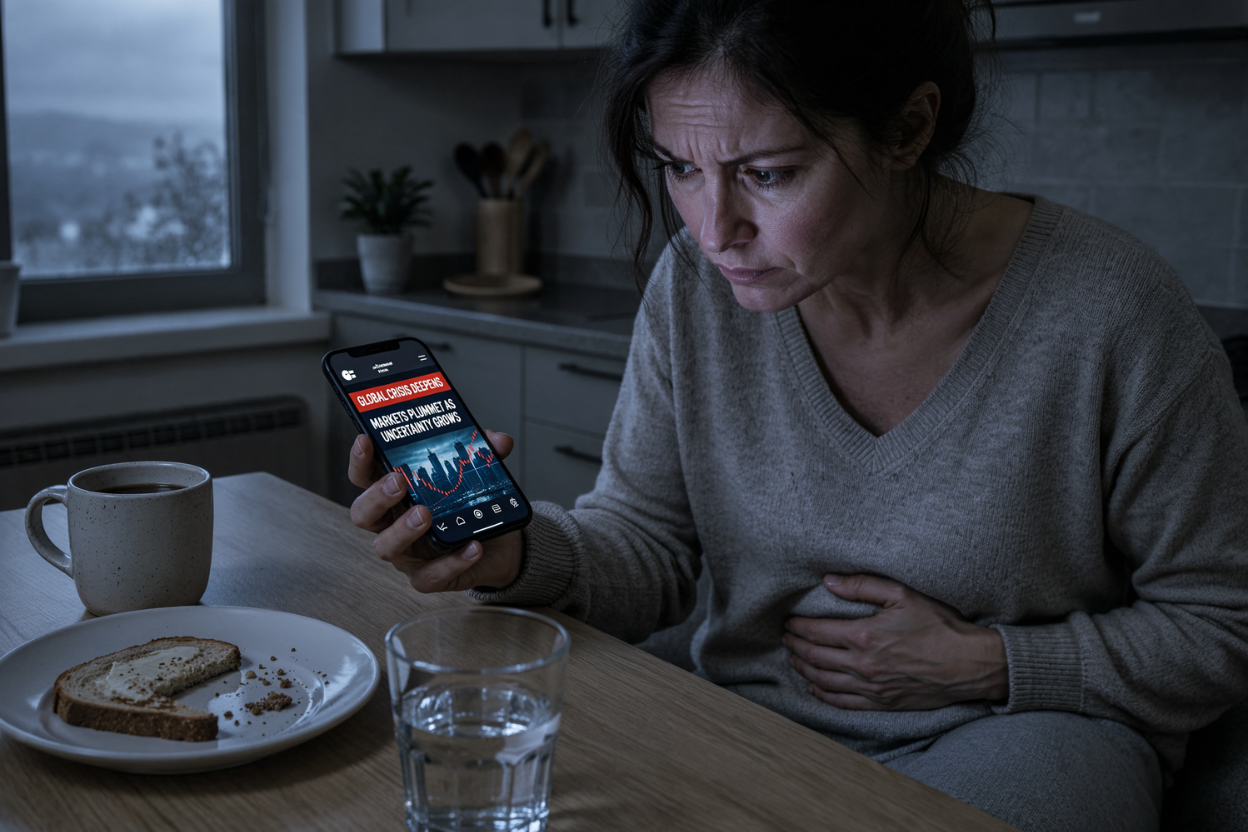
Bad News Blues: How Doom-and-Gloom Headlines and Your Gut Shape Your Mood
Daniel Lonquist, DC, CCST, CCWP, CFMP
If you've felt heavier, more anxious, or just "off" lately, you're not imagining it. This time of year stacks the deck: shorter days, less sunlight, holiday pressure, and a news cycle that never seems to deliver good news.
In 30 years of practice, I've watched the same pattern show up every fall and winter. Patients come in tired, foggy, irritable, and worried. Many of them blame themselves. But what I see is a body under steady stress, and very often a gut that's been quietly taking the hit.
In this post, I'll explain how a constant stream of bad news affects your brain and body, why your gut health plays a much bigger role in your mood than most people realize, and what you can start doing this week to feel more like yourself.
What a Steady Diet of Bad News Does to You
Your nervous system can't tell the difference between a threat on your screen and a threat in your living room. Every alarming headline nudges your body into "fight or flight": cortisol and adrenaline rise, your heart rate climbs, and digestion is put on hold.
One stressful story isn't the problem. The problem is the endless scroll. Researchers now have a name for it, "doomscrolling," and the findings are consistent:
A 2024 study from Flinders University linked doomscrolling to higher existential anxiety, despair, and distrust of others. The lead researcher described constant negative news as a possible source of vicarious trauma, where you feel the effects of events you never experienced directly.
A 2024 study in BMC Psychiatry found doomscrolling was tied to depression, anxiety, and smartphone addiction, and may help drive the vicious cycle between insomnia and depression.
Newer 2026 research continues to show that compulsive negative-news consumption is associated with higher anxiety, stress, and depressive symptoms.
Here's what makes it so sticky: when we feel anxious, we scroll to feel more in control. But more scrolling feeds more anxiety. Meanwhile, our bodies stay stuck in a low-grade stress state, and one of the first systems to suffer is the gut.
Your Gut: The "Second Brain" Behind Your Mood
Your gut and brain are in constant two-way conversation. Scientists call this the gut-brain axis, and it runs along several pathways:
The vagus nerve. This is the main highway between your gut and your brain. Gut bacteria can influence the signals it carries.
Neurotransmitters. More than 90% of your body's serotonin is found in the gut. Gut microbes also help produce or regulate dopamine and GABA, the chemicals that keep you calm, motivated, and steady.
Inflammation. Your gut houses most of your immune system. When the gut is inflamed, those inflammatory signals can reach the brain and show up as low mood, anxiety, and brain fog.
The research here is striking. People with digestive disorders have higher rates of anxiety and depression, and people with anxiety and depression report more gut symptoms. Studies of people with depression often show fewer of the bacteria that make calming, anti-inflammatory compounds like butyrate, and more of the inflammatory species.
That's why I tell patients: sometimes the anxiety you feel in your head started in your gut.
The Vicious Cycle: Stress Hurts the Gut, the Gut Fuels the Stress
Chronic stress doesn't just make you feel bad. It physically changes your gut:
It shifts your microbiome. Stress hormones change which bacteria thrive, often crowding out the beneficial ones.
It weakens the gut lining. Ongoing stress can increase intestinal permeability ("leaky gut"), allowing bacterial byproducts into the bloodstream and driving body-wide inflammation.
It slows digestion. In fight-or-flight mode, your body diverts resources away from digesting and absorbing nutrients, including the building blocks your brain needs.
A disrupted gut then sends more distress signals back to the brain, which makes you more reactive to the next stressful headline. Round and round it goes.
This time of year adds fuel to the fire:
Holiday eating. More sugar, alcohol, and processed food feed inflammatory bacteria and spike and crash your blood sugar, which feels a lot like anxiety.
Less sunlight. Shorter days lower vitamin D and disrupt your sleep-wake rhythm, both of which affect mood.
Disrupted routines. Travel, late nights, and skipped workouts take away the habits that normally keep you balanced.
Less time outdoors and in nature, and more time indoors on screens.
9 Practical Ways to Protect Your Mood This Season
You can't control the headlines. You can control how much of them you take in, and how resilient your body is when they hit.
Calm the input
Put the news on a schedule. Pick one or two short windows a day, like 15 minutes after breakfast. No news in the first hour after waking or the last hour before bed.
Turn off push alerts. Breaking-news notifications keep your nervous system on constant alert. You will still hear about what matters.
Swap one scroll for one walk. When you catch yourself reaching for your phone, step outside for 10 minutes instead. You'll get daylight, movement, and a mental reset at the same time.
Feed the gut-brain axis
Eat for your microbiome. Build meals around vegetables, fruit, legumes, whole grains, nuts, seeds, olive oil, and fish. In the SMILES trial, adults with depression who moved to this kind of diet for 12 weeks improved significantly, and about a third reached remission compared with 8% in the control group.
Add fermented foods daily. A Stanford study found that a diet rich in yogurt, kefir, kimchi, sauerkraut, and kombucha increased gut-microbe diversity and lowered 19 inflammatory markers in 10 weeks. Start with one serving a day and build up.
Steady your blood sugar. Pair carbs with protein, fat, and fiber, and go easy on holiday sweets and alcohol. Blood sugar swings often feel like anxiety and irritability.
Reset the nervous system
Get morning light. Ten to twenty minutes outside within an hour of waking helps set your sleep rhythm and supports mood through the darker months. Ask your provider to check your vitamin D levels.
Activate your vagus nerve. Slow breathing with a longer exhale (in for 4, out for 6–8), humming, singing, and a splash of cool water on the face all shift your body from fight-or-flight into rest-and-digest.
Protect your sleep. Keep consistent bed and wake times, and keep screens out of the bedroom. Poor sleep worsens anxiety and depression, and it disrupts your gut bacteria too.
When Lifestyle Changes Aren't Enough
These steps help most people feel better. But if you've been doing "all the right things" and still feel anxious, low, foggy, or bloated, there may be something deeper going on, such as:
An imbalanced microbiome or bacterial overgrowth
Food sensitivities driving inflammation
Low vitamin D, B12, iron, or omega-3s
Thyroid, blood sugar, or hormone imbalances
Genetic variations that affect how you process nutrients and neurotransmitters
This is where functional medicine shines. Instead of only managing symptoms, we test, find the root cause, and build a plan around your body.
An important note: Gut health supports mental health, but it is not a replacement for mental health care. If you're taking medication, don't stop it without talking to your prescriber. If you are in crisis or having thoughts of harming yourself, call or text 988 (the Suicide & Crisis Lifeline in the U.S.) or call 911.
Your Complimentary Consult
You don't have to white-knuckle your way through another winter feeling anxious, tired, and foggy.
I'd like to offer you a complimentary 30-minute Clarity Call. We'll talk through what you're experiencing, look at how your gut health may be connected to your mood and energy, and map out clear next steps for your body. No pressure and no obligation, just answers.
Book your free Clarity Call here →
The news may stay gloomy for a while. Your health doesn't have to.
Dr. Daniel Lonquist Elite Virtual Health
Sources
Shabahang et al., doomscrolling and existential anxiety, Computers in Human Behavior Reports (2024), via Earth.com summary
Doomscrolling, insomnia and depression, BMC Psychiatry (2024)
Wastyk et al., fermented-food diet study, Stanford Medicine (2021)
This article is for educational purposes and is not a substitute for individual medical advice.


Real patients. Real results. In their own words.
These are not cherry-picked outliers. This is what happens when the root cause is finally addressed.


I was struggling with constant pain, inflammation, low energy, and poor health. Dr. Lonquist uncovered gut and inflammation issues, and his program helped me lose 40 pounds. I feel human again, my pain is gone, and I’m so thankful he helped me take my life back. —K.K.

I have found that my overall health has been driven by Dr Lonquist. It has lead to improved eating habits, decreased unhealthy habits and regular exercise . Every person I've told about how much it's helped me have become just as amazed and satisfied with the results” - S. H.

My health has improved in more ways than just physically. Now that I feel better physically, I am in a better mental state of mind. Which motivates me to be more active, exercise more often, and in an overall better mood - A. N.

Dr. Lonquist has made an enormous change on our family's lifestyle. The way we view nutrition, exercise, and the importance of stress management. lt has been the best guide toward preventive health care - D. W.
Daily activities were almost impossible for me. Sometimes I only had the energy to wake up in the morning, take a shower, lay back down and go back to bed. After following Dr. Lonquist’s recommendations it has enabled me to maintain daily activities, a full time job, exercise and even have energy to do the things I love to do like play with my grandchildren or go for a hike. here - L.L.